20. November 2025
How to Deploy Machine Learning Models to Production: A Step-by-Step DevOps Guide

How to Deploy Machine Learning Models to Production: A Step-by-Step DevOps Guide
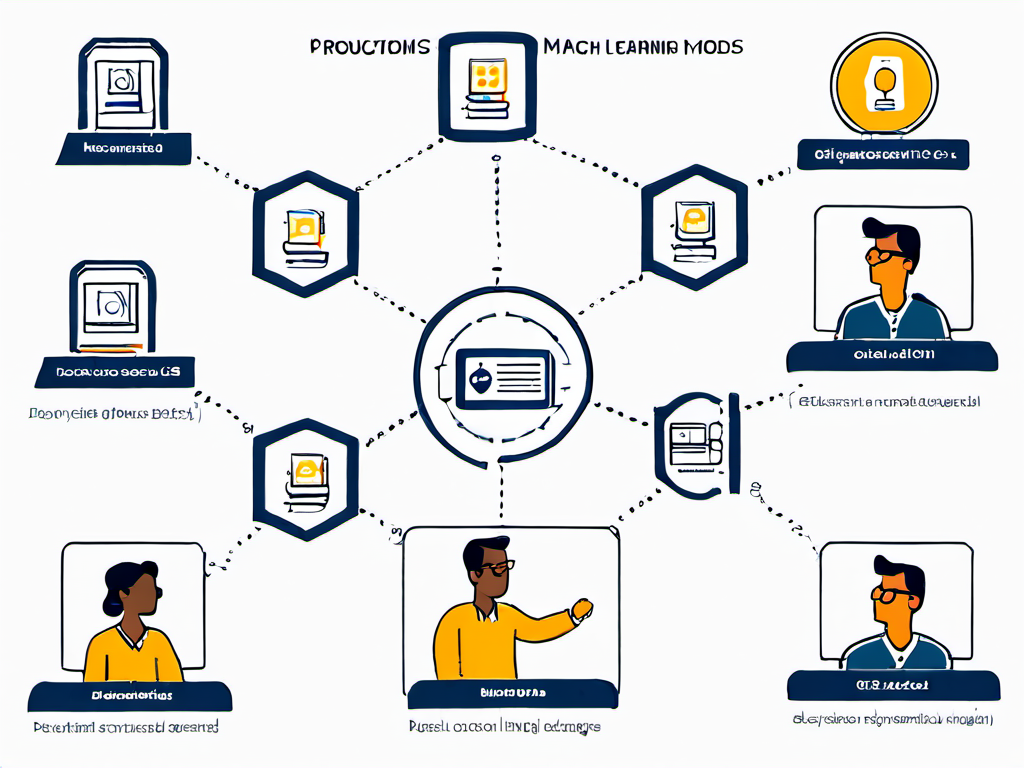
Deploying machine learning models into production can seem like a daunting task, but with the right approach and tools, it becomes an achievable goal. This guide provides you with a step-by-step process for deploying your ML model in a DevOps environment, ensuring smooth integration without compromising on performance or reliability.
1. Understand Your Requirements
Before diving into deployment, understand what your application needs. Consider factors like model accuracy, latency requirements, and scalability needs. Clarity on these points will guide the rest of your process.
2. Choose the Right Tools
Selecting appropriate tools for each phase is critical. For instance, TensorFlow, PyTorch, or scikit-learn are popular choices for training models. For deployment, Flask, Django, or FastAPI can serve as backend frameworks.
3. Prepare Your Model for Deployment
Ensure your model is well-prepared. This includes cleaning and transforming the data to maintain consistency with production data. Consider using cloud storage services like AWS S3 for storing large datasets.
4. Containerize the Application
Containerization helps in maintaining uniform environments across different stages of deployment. Docker is a popular choice here, as it allows you to package your application along with its dependencies into containers.
5. Build a CI/CD Pipeline
Implementing Continuous Integration and Continuous Deployment (CI/CD) ensures that changes are automatically tested and deployed. Tools like Jenkins or GitLab CI can help automate these processes efficiently.
6. Test the Model Thoroughly
Testing is crucial to catch any issues before going live. Use unit tests, integration tests, and end-to-end testing to validate your model’s performance across various scenarios.
7. Validate with Real-Time Data

Before full deployment, test the model with real-time data in a staging environment that mirrors production conditions closely. This helps identify potential discrepancies or anomalies early on.
8. Set Up Monitoring Systems
Monitoring systems are vital for tracking model behavior and performance over time. Tools like Prometheus and Grafana can be used to monitor key metrics related to your application’s health.
9. Define Service Level Agreements (SLAs)
Establish clear SLAs that define acceptable levels of service, including response times and availability. This helps set realistic expectations with stakeholders and ensures accountability.
10. Implement Logging
Implement comprehensive logging for debugging purposes. Log files can be invaluable in diagnosing issues post-deployment. Use tools like ELK stack or Splunk to manage logs effectively.
11. Secure Your Application
Security should never be an afterthought. Ensure that data is encrypted, access controls are properly set up, and regular security audits are conducted.
12. Plan for Scalability
Design your deployment architecture with scalability in mind. Use load balancers to distribute traffic effectively and consider auto-scaling options based on demand.
13. Handle Data Privacy Concerns
Compliance with data privacy regulations like GDPR or CCPA is essential. Ensure that your application’s handling of user data adheres strictly to relevant legal requirements.
14. Implement A/B Testing

Use A/B testing during deployment phases to compare the performance and usability between different versions of your model, ensuring you deploy only the best-performing one.
15. Automate Rollbacks
Automating rollbacks ensures that if something goes wrong after deployment, you can quickly revert to a previous stable version without manual intervention.
16. Optimize for Performance
Optimizing the performance of your model is key. This includes fine-tuning hyperparameters and optimizing code to reduce latency and improve throughput.
17. Document Everything
Maintain thorough documentation throughout the deployment process. Good documentation helps in maintaining transparency, facilitating future updates, and onboarding new team members easily.
18. Use Cloud Services Wisely
Leverage cloud services like AWS, Azure, or Google Cloud to manage infrastructure efficiently. These platforms offer scalable solutions for deploying machine learning models without significant upfront investment.
19. Collaborate with Stakeholders
Maintain open lines of communication with stakeholders, including developers, operations teams, and business users. Regular feedback can help refine the deployment process over time.
20. Stay Updated with Technology Trends
Technology is constantly evolving. Keep your skills and knowledge updated by following relevant blogs, attending webinars, or participating in community forums.
Conclusion
Deploying machine learning models to production requires a structured approach that integrates development and operations seamlessly. By following the steps outlined above and leveraging modern DevOps practices, you can ensure smooth integration of ML into your application, thereby enhancing its functionality and performance. Embrace this process with an eye towards continuous improvement and adaptation as your project scales and evolves.