20. November 2025
AI-Powered Visual Inspection in Manufacturing: Reducing Defects by 84%
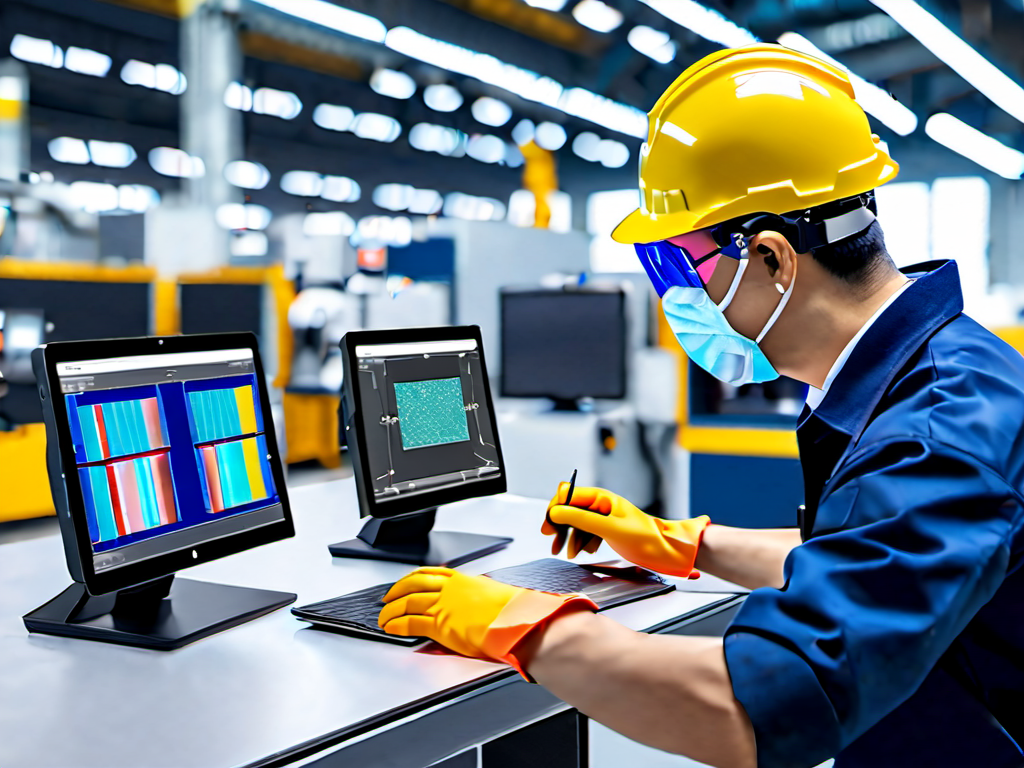
AI-Powered Visual Inspection in Manufacturing: Reducing Defects by 84%
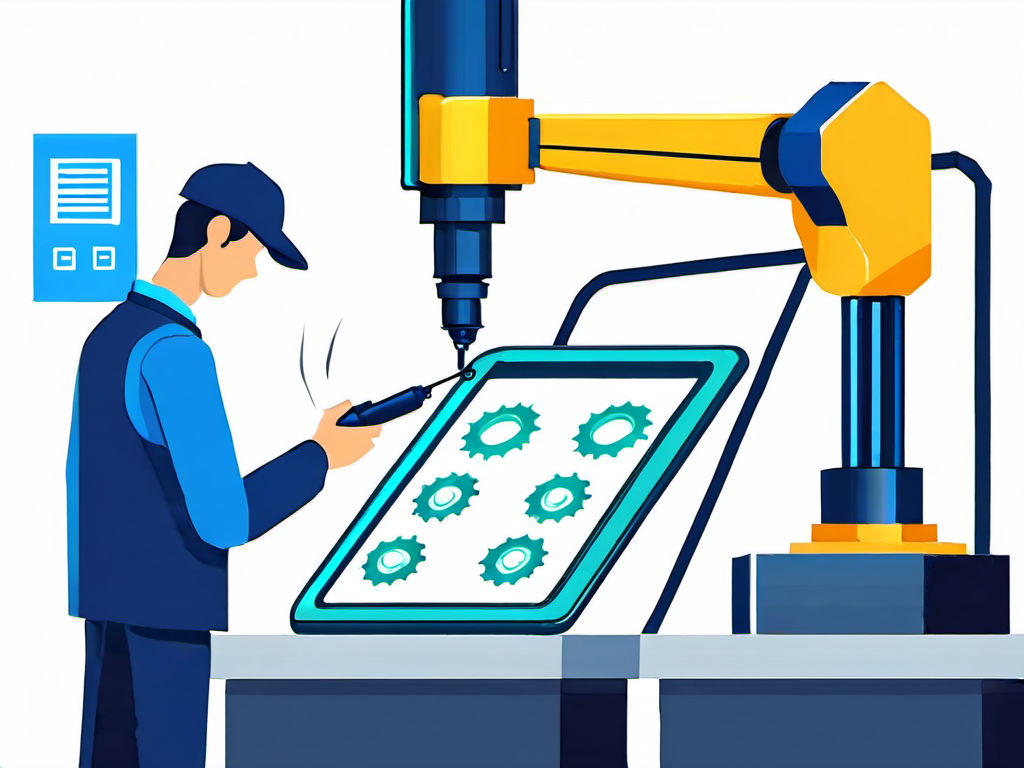
The manufacturing industry has always been at the forefront of technological innovation. From steam engines to electrical drives, and now with artificial intelligence (AI), it’s clear that technology is reshaping how products are made. One of the most impactful innovations today is AI-powered visual inspection systems. These advanced tools have proven to reduce defects by a staggering 84%, making them indispensable for quality control in manufacturing.
Introduction to Visual Inspection
Visual inspection has traditionally been a manual process where human inspectors visually check each item for flaws or inconsistencies. This method, while effective, can be slow and prone to human error due to fatigue or oversight. AI-powered visual inspection systems leverage computer vision and deep learning algorithms to automate this critical step, ensuring higher accuracy and consistency.
The Role of Computer Vision
Computer vision is the technology that enables machines to interpret and understand images from the world, much like how humans use their eyes. By using advanced cameras and image processing techniques, AI can detect subtle defects or variations in products that might escape human inspection.
Deep Learning Algorithms Explained
Deep learning algorithms are a subset of machine learning that focus on neural networks with many layers (hence “deep”). These algorithms are trained on large datasets to recognize patterns and features within images. Once trained, they can accurately identify and classify defects with high precision.
The Benefits of AI-Powered Inspection Systems

AI-powered systems offer numerous benefits over traditional methods:
- Speed: Automated inspection is much faster than manual processes.
- Accuracy: Machines do not get tired or make mistakes due to human error.
- Cost Efficiency: Reduces the need for a large workforce dedicated to visual inspection.
- Consistency: Ensures uniform quality standards across all products.
How AI Inspection Systems Work
AI-powered systems operate through several key steps:
- Image Acquisition: High-resolution cameras capture detailed images of each product.
- Preprocessing: Images are cleaned and normalized for better analysis.
- Feature Extraction: The system identifies specific features or defects in the image.
- Classification: Using deep learning, the system classifies these features as acceptable or defective.
- Feedback Loop: Continuous machine learning improves accuracy over time.
Reducing Defects with AI
The reduction of defects by 84% is not just a statistic; it’s the result of meticulous training and fine-tuning of AI algorithms. By focusing on identifying specific types of defects, these systems can learn to detect even microscopic flaws that would be nearly impossible for human inspectors to catch.
Case Study: Automotive Manufacturing
In automotive manufacturing, where precision is paramount, AI-powered inspection has transformed quality control. For instance, in the assembly line, AI systems check parts for micro-cracks and surface imperfections before they are integrated into vehicles. This ensures that only flawless components are used, significantly reducing the risk of recalls or safety issues.
Challenges in Implementing AI Inspection

While AI brings significant benefits, there are challenges to consider:
- Cost: Initial setup costs can be high due to specialized hardware.
- Data Privacy: Ensuring data from images is handled securely and privately.
- Maintenance: Ongoing maintenance and updates of the system are necessary.
Addressing Common Concerns
Manufacturers often worry about the initial investment. However, over time, the cost savings from reduced defects and increased efficiency can outweigh these costs. Additionally, robust security measures ensure that data remains private and secure throughout the inspection process.
The Future of AI in Manufacturing
The future is bright for AI-powered visual inspection systems. As technology advances, we can expect even more sophisticated algorithms and better integration with existing manufacturing processes. This will lead to further improvements in product quality and efficiency.
Enhancing Product Quality Through AI
By integrating AI into the manufacturing process, companies not only enhance product quality but also build customer trust. High-quality products lead to increased customer satisfaction and loyalty, which are critical for business growth and success.
Conclusion: A Bright Future with Reduced Defects
AI-powered visual inspection systems represent a significant leap forward in manufacturing technology. By reducing defects by 84%, these advanced tools ensure that only the highest quality products reach consumers. As we continue to innovate and refine AI technologies, the future of manufacturing looks more promising than ever.
In summary, embracing AI-powered visual inspection is not just about keeping up with technological trends; it’s about achieving excellence in product quality and setting new standards for efficiency and reliability in the industry.